
CEGR 492 · Proposal Development
Research Questions Builder
Create focused questions that guide the engineering analysis, design, or investigation.
Research Questions: making objectives answerable
0 of 2 lecture sections read
Engineering story
A team's objective is to evaluate three pavement rehabilitation alternatives. Their research question reads: 'Is rehabilitation effective?' At the defense, every answer they give is contested, because the question admits no defined evidence.
- What is the engineering problem?
- A question without defined variables, conditions and comparison has no answerable form.
- What information is missing?
- Which performance variable, over what analysis period, compared against what baseline and criterion.
- What should the engineer evaluate?
- Whether each question names variables, conditions, comparison and the evidence that would answer it.
- What decision must be made?
- Rewrite questions so the answer is determined by data, not by opinion.
- How does this lesson help?
- This lecture provides question archetypes for design and analysis capstones and the answerability test.
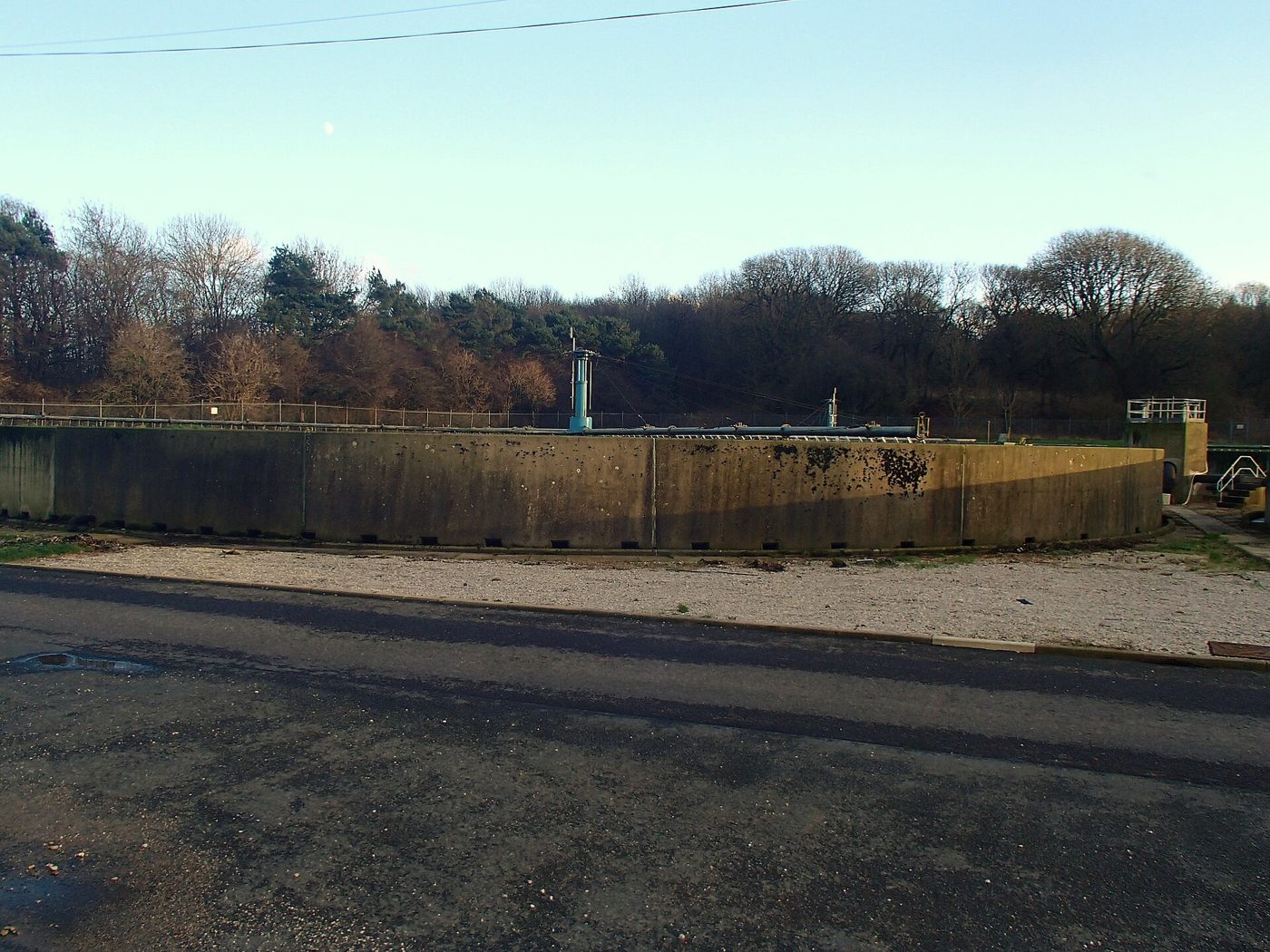
Photo 1. A research question is answerable only when the measurement exists: overflow rate and detention time can be sampled at this basin.
geograph.org.uk via Wikimedia Commons, CC BY-SA 2.0
Why this matters
- Defensibility: an answerable question forces the analysis to produce evidence rather than narrative.
- Scope control: precise questions exclude work that does not contribute to an answer.
- Assessment: results chapters are organized question by question.
Learning objectives
- Formulate answerable research or design questions aligned to each objective.
- Identify the independent, dependent and controlled variables in each question.
- Evaluate answerability against available data and methods.
- Distinguish descriptive, comparative, relational and design questions.
ABET evidence: SO 1 · SO 6 · CE-PC3
Prerequisite review
Objectives
Each question should correspond to one objective; questions without objectives are unscoped.
Open refresherBasic statistics
Comparative questions need a stated basis for judging difference — a threshold, an interval or a criterion.
Open refresher1. Four question archetypes
Descriptive: what is the current magnitude of a defined quantity under stated conditions? Comparative: how does quantity X differ between alternatives A and B under identical conditions? Relational: how does variable Y respond to a change in variable X across a stated range? Design: which configuration satisfies all governing criteria at least cost, given the constraints?
Most capstones need one descriptive question (the existing condition), one or two comparative or relational questions (the analysis core), and one design question (the recommendation). This pattern maps naturally onto Chapter 4 sections.
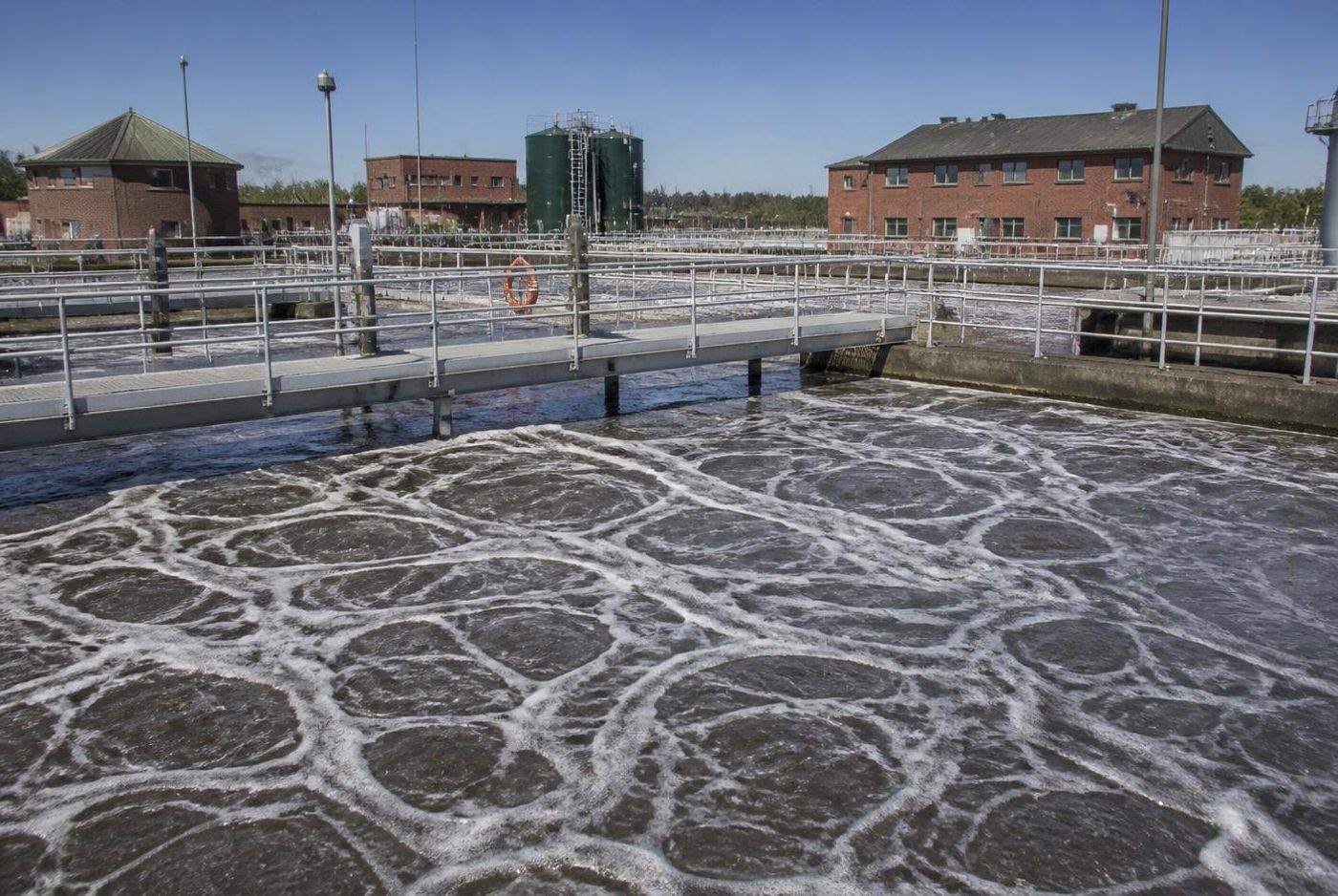
Photo 2. Descriptive, comparative, relational and evaluative questions all attach to measurable process variables here.
Capstone Studio instructional photograph
2. The answerability test
A question is answerable when four things are true: the variables are defined and measurable; the conditions are fixed and stated; the comparison or criterion is explicit; and the data required exists or can be generated within the schedule. Apply the test literally — write each of the four under the question and fill them in. If a blank remains, the question is not yet answerable.
Beware questions containing 'best', 'optimal', 'effective' or 'better' without a defined metric. These words are conclusions, not measurements; they must be replaced with the quantity that decides them.
Avoid this trap. 'Is alternative A better?' fails the test. 'Does alternative A reduce peak control delay below 55 s/veh in both peaks at equal or lower present worth?' passes.
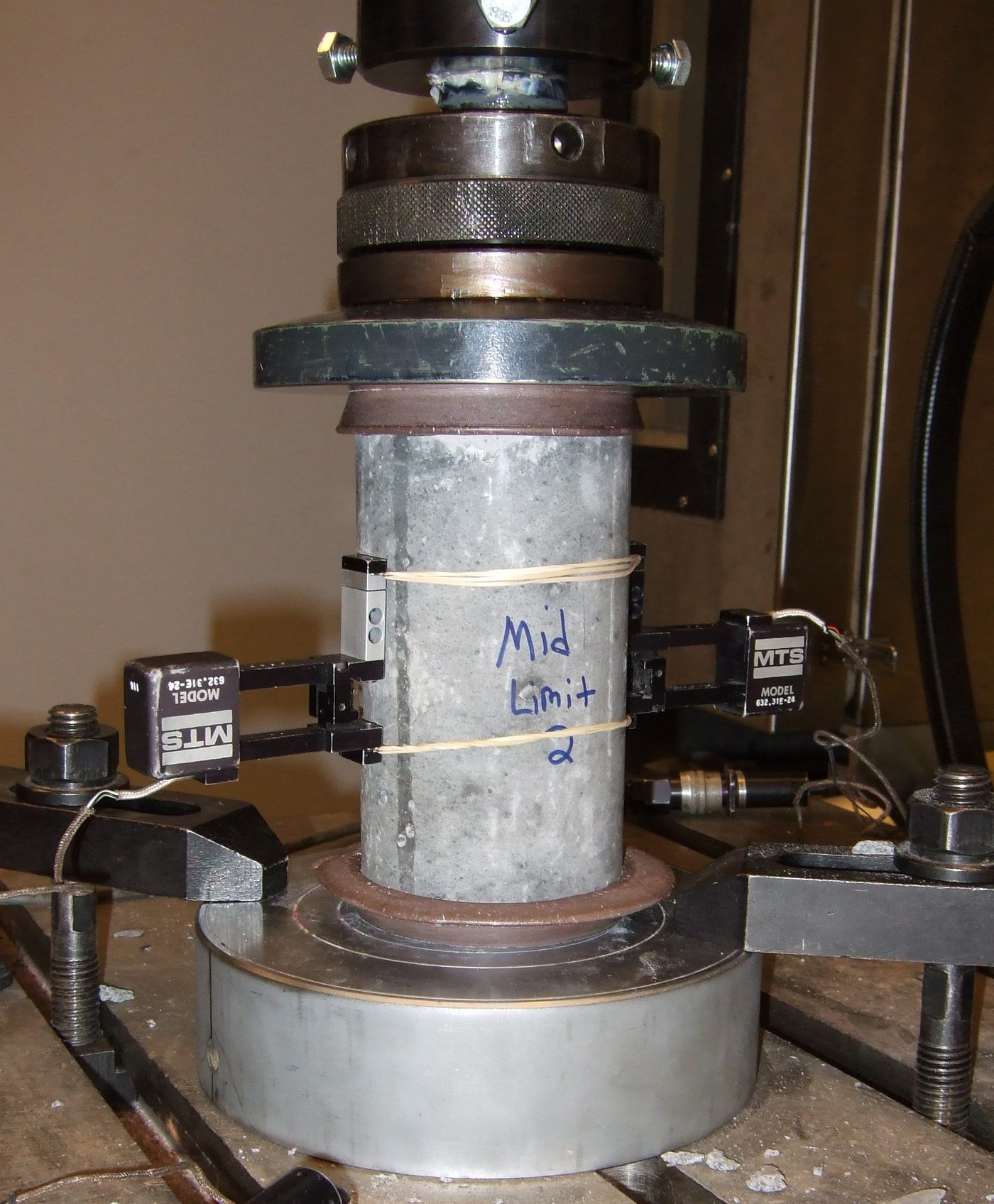
Photo 3. Answerable means measurable: if no instrument or record produces the variable, the question must be rewritten.
Wikimedia Commons, public domain
Table 1. Weak questions rewritten as answerable questions.
| Weak | Answerable | Evidence that answers it |
|---|---|---|
| Is the bridge safe? | Does the rating factor for the governing HL-93 load combination exceed 1.0 at all controlling sections? | Load rating calculation package |
| Which pavement is best? | Which alternative achieves a 20-year service life at lowest equivalent uniform annual cost? | Life-cycle cost analysis with service-life assumptions |
| Does the BMP work? | Does the bioretention cell retain the 90th-percentile storm volume with a drawdown under 48 hours? | Volume routing and infiltration test data |
| Is the soil adequate? | Does the computed bearing capacity provide FS ≥ 3.0 with settlement below 1 in. under service load? | Bearing and settlement calculations |
Professional workflow
- Write one question per objective.
- Under each question list variables, conditions, comparison and data source.
- Replace all evaluative adjectives with measured quantities.
- Confirm each question can be answered with the methods planned in Chapter 3.
- Order the questions to match the intended Chapter 4 structure.
Applicable standards
Discipline design standard
Supplies the criterion that converts a comparison into a decision.
ASTM or agency test methods
Defines how a variable is measured so the question has a repeatable answer.
Case study — Two alternatives, two load assumptions
A team compared two culvert alternatives using different design storms.
- The apparent cost advantage disappeared when both were analyzed for the 25-year event.
- The error was found only during verification.
Lesson learned. Answerability requires identical conditions; otherwise the comparison measures the assumption, not the alternative.
Source: Departmental review records.
Why this section exists
Research questions convert objectives into things you can answer with evidence.
Learning objectives
- Write one or more questions per objective
- Classify question type
- Verify alignment with methods and data
Research Questions
Weak
Is the bridge safe?
Strong
To what extent does 18% flange section loss reduce the HL-93 inventory rating factor of the exterior girders relative to the as-built condition?
It names the variable, the comparison, and the analysis that answers it.
Standards and codes
Each question must be tied to an objective, a method, and a data source.
Common mistakes
- Questions that cannot be answered with available data.
- Questions with no method.
- Rhetorical questions.
Research tips
- One question per objective.
- Avoid yes/no questions.
- State the variable being measured.
A team asked 'Is the bridge safe?' The answer required a load rating they had not scoped.
- What went wrong?
- A binary question hid an entire analysis workflow and a missing methodology step.
- What information was missing?
- Rating method, load combinations, and section-loss measurements.
- What should the team do next?
- Rewrite as 'What inventory and operating rating factors result from measured section loss under AASHTO MBE load combinations?'
- Which section addresses it?
- Alignment Checker
Walkthrough video
Mini quiz
Interactive checklist
0/4FE Civil connection — Discipline-specific analysis
Each question maps to a handbook analysis procedure you must be able to execute.
Reference Handbook: FE Reference Handbook — discipline chapters (section placeholder)
- Select the analysis method for a comparative alternatives question. (placeholder)
- Identify the measured variable for a performance question. (placeholder)
- Determine the data needed to answer a predictive question. (placeholder)
Recommended resources
- Example questions by discipline — Four worked examples in this module.