CEGR 492 · Proposal Development
Background of Study Builder
Write a coherent technical background that funnels from broad context to the specific project need.
Background of Study: building the technical context
0 of 3 lecture sections read
Engineering story
A reviewer opens a proposal and reads three pages describing the history of concrete. Nothing in those pages tells the reviewer where the project is, what condition it is in, who owns it, or what has already been tried. The reviewer cannot judge whether the proposed work is necessary — not because the writing is poor, but because the background answers questions nobody asked.
- What is the engineering problem?
- Background was written as a general subject introduction rather than as the specific technical context a decision-maker needs.
- What information is missing?
- Site description, system inventory, condition history, previous interventions, regulatory setting and the state of practice for this specific problem type.
- What should the engineer evaluate?
- Whether each paragraph moves the reader closer to accepting that this problem, at this place, must be solved now.
- What decision must be made?
- What to keep, what to cut and what to obtain before the section can be defended.
- How does this lesson help?
- This lecture gives the six-block structure of an engineering background and the evidence each block requires.
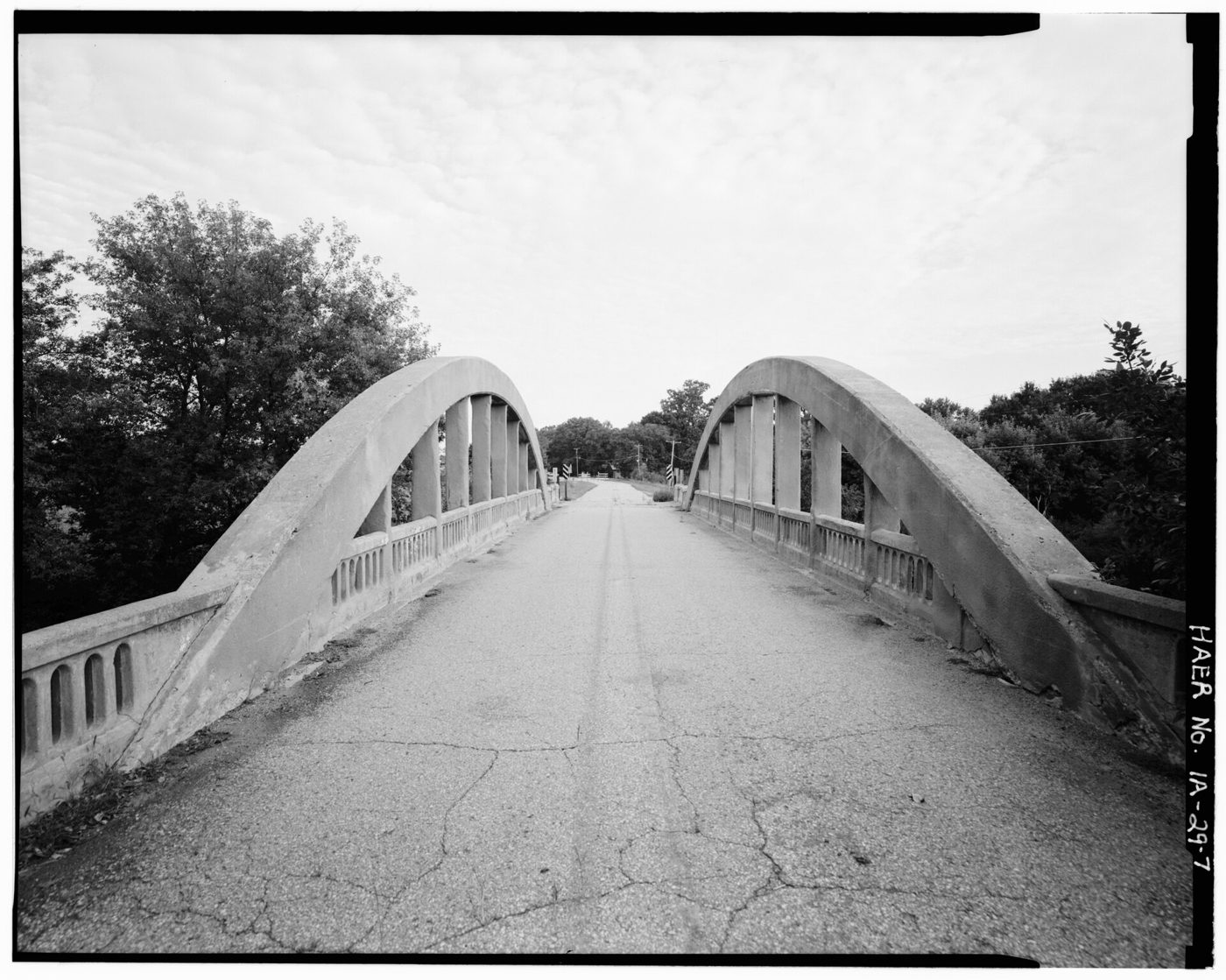
Photo 1. Existing-condition documentation: the built asset, its age and its recorded condition are the backbone of the background chapter.
HAER / Library of Congress, public domain
Why this matters
- Professional practice: background is the section a funding authority reads to decide whether the project is justified.
- Technical rigor: design decisions depend on site history — prior repairs, changed loads, altered hydrology.
- Cost and schedule: documented prior interventions reveal what has already failed and what need not be repeated.
- Community impact: the setting establishes who depends on the system and what disruption they can absorb.
- Code compliance: the regulatory context determines which edition of which standard governs.
Learning objectives
- Compose a background using the six required blocks in order.
- Distinguish general subject material from project-specific technical context.
- Document system inventory data with sources and dates.
- Summarize the state of practice relevant to the specific problem.
- Justify the timing of the project from documented trends.
ABET evidence: SO 1 · SO 3 — communicate effectively · SO 4 · CE-PC1 · CE-PC7
Prerequisite review
Problem identification
The background supports the problem you have already identified; do not introduce a new problem here.
Open refresherSource evaluation
Agency reports, standards and peer-reviewed studies outrank vendor literature and web summaries.
Open refresher1. The six blocks
An engineering background contains six blocks in a fixed order. Block one is the setting: geography, ownership, service population and function of the system. Block two is the inventory: what physically exists — spans, lanes, diameters, depths, materials, construction year. Block three is the performance history: condition ratings, measured deterioration, incident and complaint records, operational data over time.
Block four is prior intervention: what has already been designed, built, repaired or studied at this site, and what the outcome was. Block five is the regulatory and standards setting: which agency has jurisdiction, which manual and edition governs, what permits apply. Block six is the state of practice: how this class of problem is currently addressed in the profession, and where the accepted approaches disagree.
This order is deliberate. Each block narrows the frame, so that by the end of the section the reader is standing at the exact point where your problem statement begins. A background that jumps between blocks forces the reader to reconstruct the context you were supposed to supply.
Avoid this trap. Do not open with the invention of your discipline. Open with the system, its owner and the population it serves.
2. Inventory data and its sources
Inventory data must be traceable. Every geometric or material value in the background needs a source and a date: 'span lengths 42-58-42 ft (as-built plans, 1974)', 'AADT 18,400 (state DOT count station 0412, 2024)', 'soil profile from three borings, B-1 through B-3 (geotechnical report, 2019)'. Undated values age silently and become defects in Chapter 4 when the analysis depends on them.
When a value cannot be sourced, say so and state how you will obtain or bound it. Field measurement, agency records request, or a bounded assumption with sensitivity analysis are all acceptable; silence is not.
- Geometry — spans, widths, grades, diameters, depths.
- Materials — specified strengths, mixes, classifications, test results.
- Demand — traffic, flow, occupancy, loading history.
- Condition — ratings, distress surveys, instrumentation records.
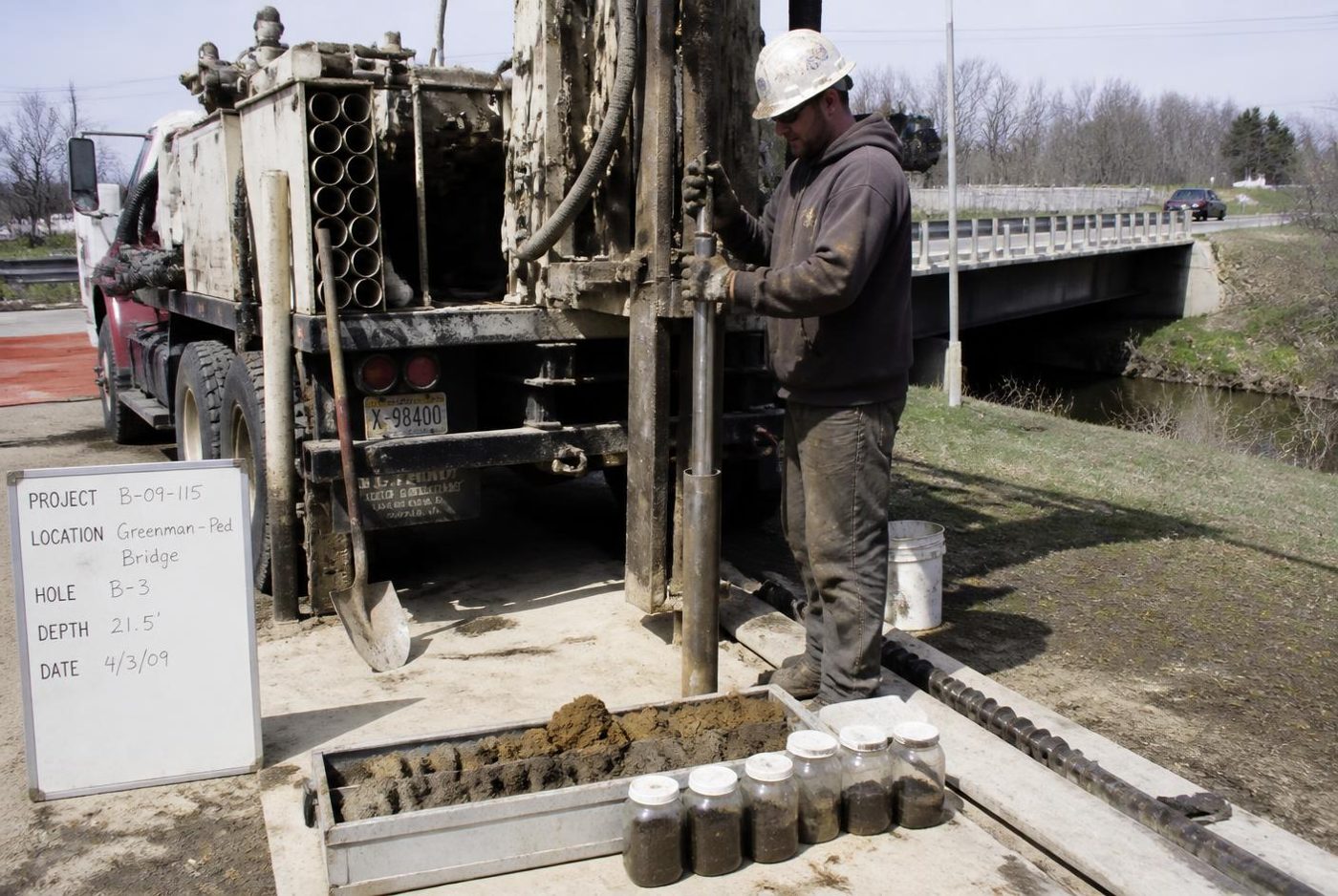
Photo 3. Boring logs, inspection reports and gauge records are the primary sources a background section cites.
Capstone Studio instructional photograph
3. State of practice without drifting into a literature review
The background summarizes how the profession currently handles this class of problem; the literature review analyzes and synthesizes the evidence behind those practices. The distinction is depth and purpose. Background answers 'what is normally done and under what standard'. Literature review answers 'what does the evidence show about how well those approaches work and where the gap is'.
Two or three paragraphs are usually enough here: the prevailing design approach, the main alternative, and the practical constraint that makes selection non-trivial at your site.
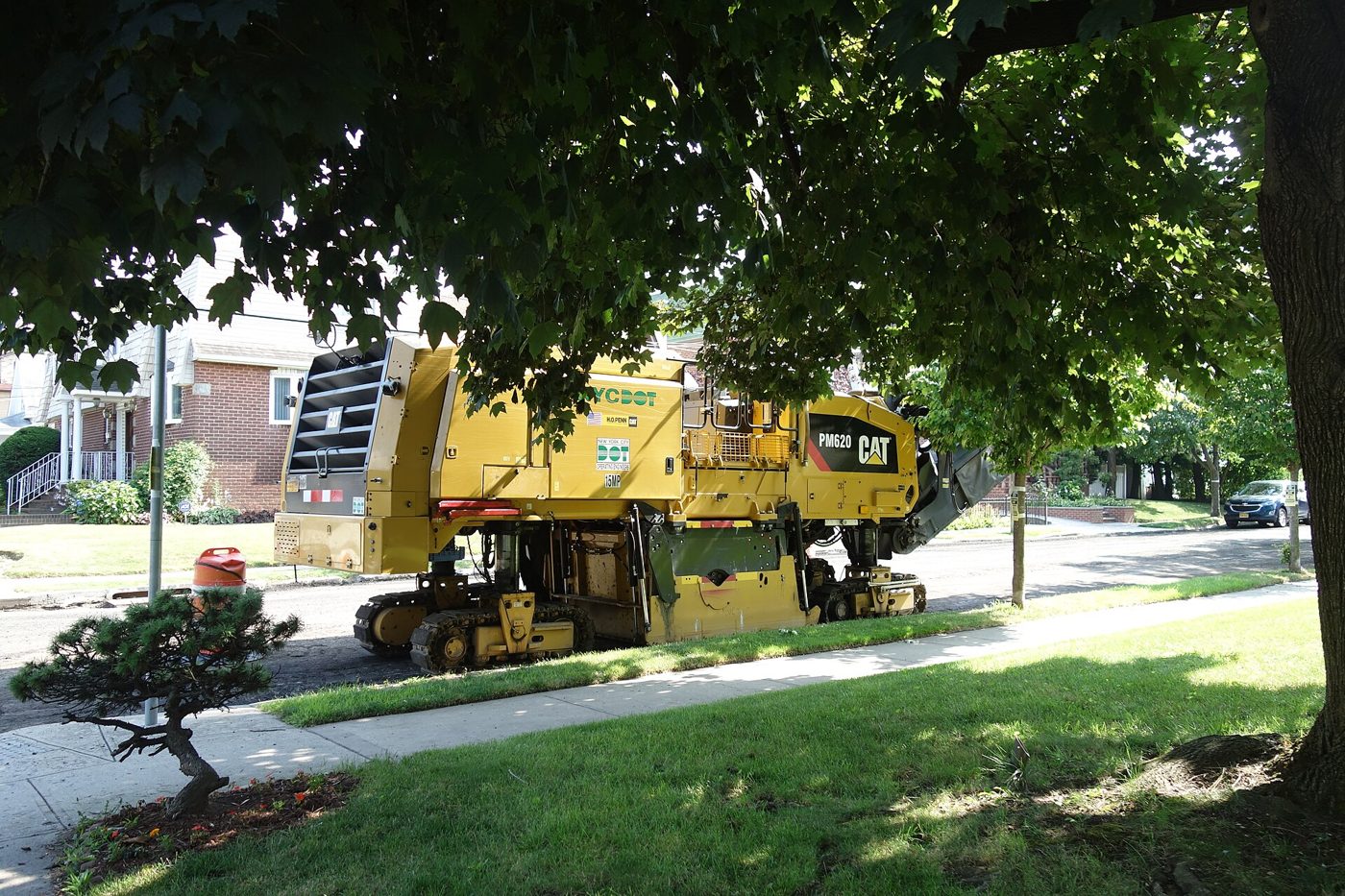
Photo 4. State of practice is what agencies actually build today — mill and overlay remains the default rehabilitation.
Wikimedia Commons, CC BY-SA 4.0
Table 1. Background block content and required evidence.
| Block | Content | Required evidence |
|---|---|---|
| Setting | Location, owner, service population, function | Map, agency identification, census or enrollment data |
| Inventory | Geometry, materials, capacity | As-builts, field measurement, agency inventory database |
| Performance history | Ratings, distress, operations over time | Inspection reports, counts, gauge or SCADA records |
| Prior intervention | Repairs, studies, designs and outcomes | Project files, maintenance logs, prior reports |
| Regulatory | Jurisdiction, governing manual and edition, permits | Agency manual citation, permit requirements |
| State of practice | Prevailing and alternative approaches | Standards, agency guidance, recent technical literature |
Professional workflow
- Request agency records early — as-builts and inspection files often take weeks.
- Assemble the inventory table with sources and dates before writing prose.
- Plot the performance history as a timeline to expose trends and interventions.
- Identify the governing manual and its edition; record the specific chapters that apply.
- Summarize the state of practice in two or three paragraphs, then stop.
- Read the section backwards: every paragraph must be necessary to accept your problem statement.
Applicable standards
Agency design manual (state DOT or municipal)
Establishes jurisdiction, governing edition and submission requirements.
National Bridge Inspection Standards
Defines condition rating language used in performance history.
ASCE Report Card and agency asset management plans
Contextual evidence for system-level condition claims.
Case study — The repair that had already failed once
A team proposed epoxy injection for cracks in a parking structure without reviewing maintenance files.
- The same cracks had been injected in 2013 and reopened within two years.
- Maintenance records attributed reopening to continued thermal movement at a restrained joint.
- The corrected proposal addressed joint restraint rather than the crack itself.
Lesson learned. Prior intervention history is engineering data; skipping block four risks proposing a documented failure.
Source: Composite of facility maintenance records.
Why this section exists
The background gives a reader who has never seen your site enough context to accept that the problem is real and worth a semester of engineering.
Learning objectives
- Structure seven paragraphs from broad to specific
- Collect and grade evidence by source quality
- Plan each paragraph before drafting
- Draft with figures, tables, and citation placeholders
Background of Study
Weak
Bridges are very important structures in the world today and many of them are old.
Strong
Of the 617,000 bridges in the National Bridge Inventory, 42% exceed their 50-year design life and 6.8% are rated in poor condition (FHWA, 2023). Maryland reports 273 such structures, including the Elm Street pedestrian bridge examined in this study.
It narrows from national data to the study site and cites the source.
Standards and codes
Cite governing design documents (AASHTO LRFD, ACI 318, ASCE 7, FHWA HEC/HDS, NRCS TR-55) and peer-reviewed sources, not vendor brochures.
Common mistakes
- Opening with a dictionary definition of civil engineering.
- Reviewing literature that never returns to your site.
- Uncited quantitative claims.
Research tips
- Use the seven-paragraph funnel: global context → national → regional → system → site → current practice → gap.
- Every claim about condition or performance carries a citation or a measurement.
- Prefer sources under ten years old unless citing a foundational method.
A team's background cited three websites and a news article, then jumped straight to their proposed solution.
- What went wrong?
- No design standards, no agency data, and no logical funnel toward the project need.
- What information was missing?
- Governing standards, agency inspection or crash data, and peer-reviewed performance studies.
- What should the team do next?
- Rebuild the evidence table with government and standard sources before rewriting.
- Which section addresses it?
- Evidence Organizer and Paragraph Planner
Walkthrough video
Mini quiz
Interactive checklist
0/4FE Civil connection — Probability and Statistics
Background evidence is only persuasive when the statistics are interpreted correctly.
Reference Handbook: FE Reference Handbook — Probability and Statistics (section placeholder)
- Interpret a confidence interval for a mean crash rate. (placeholder)
- Compute a weighted average condition rating. (placeholder)
- Identify when a sample size is too small to support a claim. (placeholder)
Recommended resources
- FHWA and state DOT data portals — Government-grade evidence.